Why
Like your average internet dweller, we have a bit of a Japan obsession. One of my favourite things there is the convenience stores. Japan has a jingle for basically everything, and a polite “sumimasen” for everything else, as James May taught us all.
My favourite konbini is FamilyMart. Best door song, best melon pan. Sorry, Lawson.

I can't pop over to Japan whenever I want, so I made our front door do the next best thing: play the FamilyMart jingle every time it opens.
whimsy is non-negotiable!I found a FamilyMart doorbell tutorial online and adapted it to what I had. I bought the MP3 module and the reed switch, and the rest came from my beginner kit and a box of spare parts at home.
Version one: the noob-friendly one
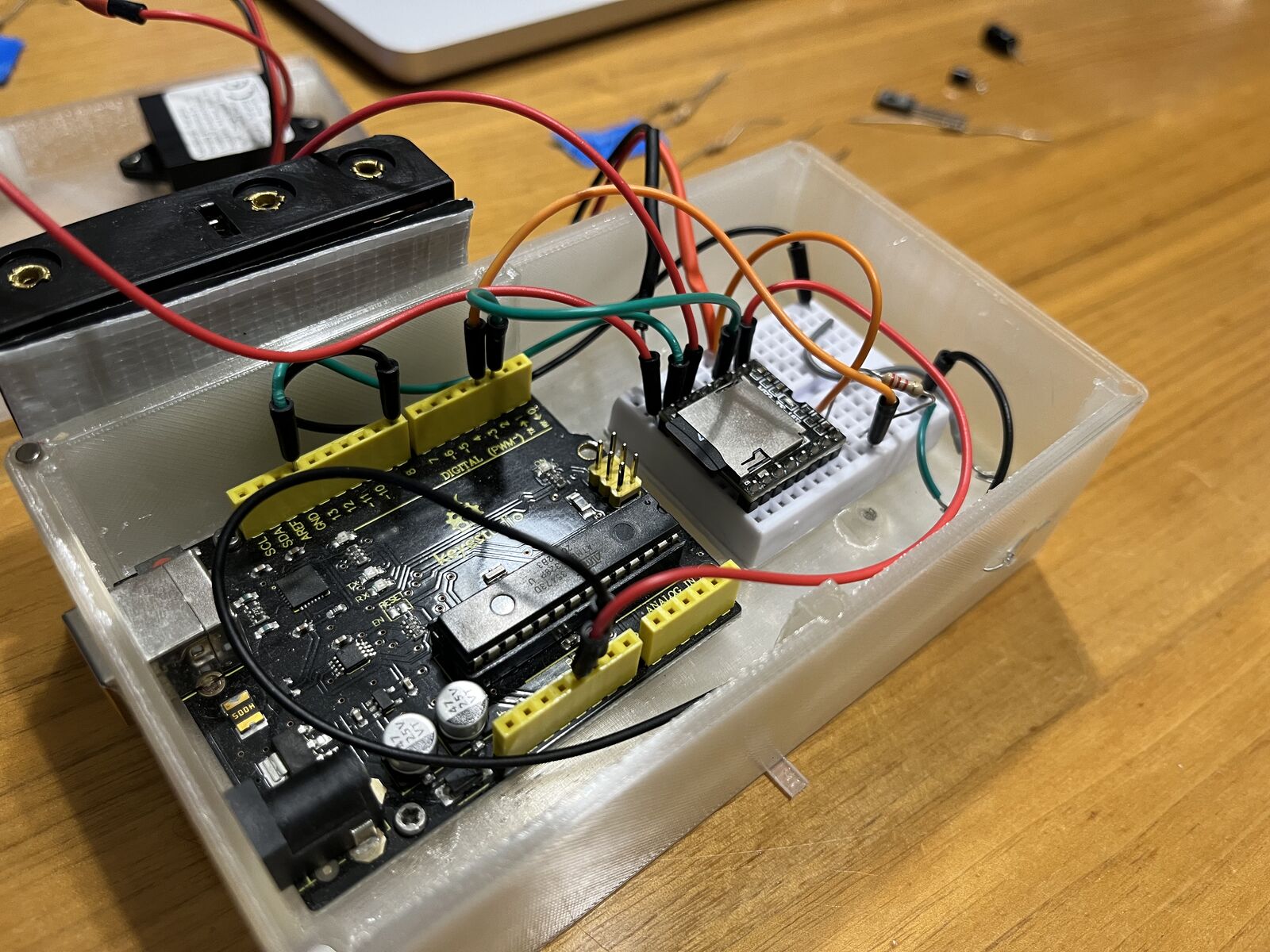
- The parts: an Arduino from a beginner kit, a small MP3 player module, a speaker, and a reed switch (a switch that reacts to a magnet: magnet on the door, switch on the frame).
- I just wanted to learn how the breadboard and the Arduino wires work. So I asked Claude what to plug where to make the thing sing when the magnet moves away from the switch.
- Along the way I learned how to upload code to the Arduino and how to put the song on the SD card with the right file name. And it worked.
The catch: it ate a powerbank every two days
- There’s no socket near our door, so it ran on a powerbank. It was empty in about two days, because the Arduino stayed awake all day, waiting for the door.
- The fix: cut the power completely. Opening the door switches it on, it plays the song, then it switches itself off again. Battery life goes from days to months, on four AA batteries.
- Claude suggested a ready-made power switch, but I couldn’t find one anywhere close. So I built my own, from a box of spare parts.
Hunting for parts
My boyfriend went to school for electronics, so he has a box full of old parts. That’s where I went shopping. Among them, a big tangled pile of resistors.
So I went on a side quest and sorted every resistor by its value.
one eternity later...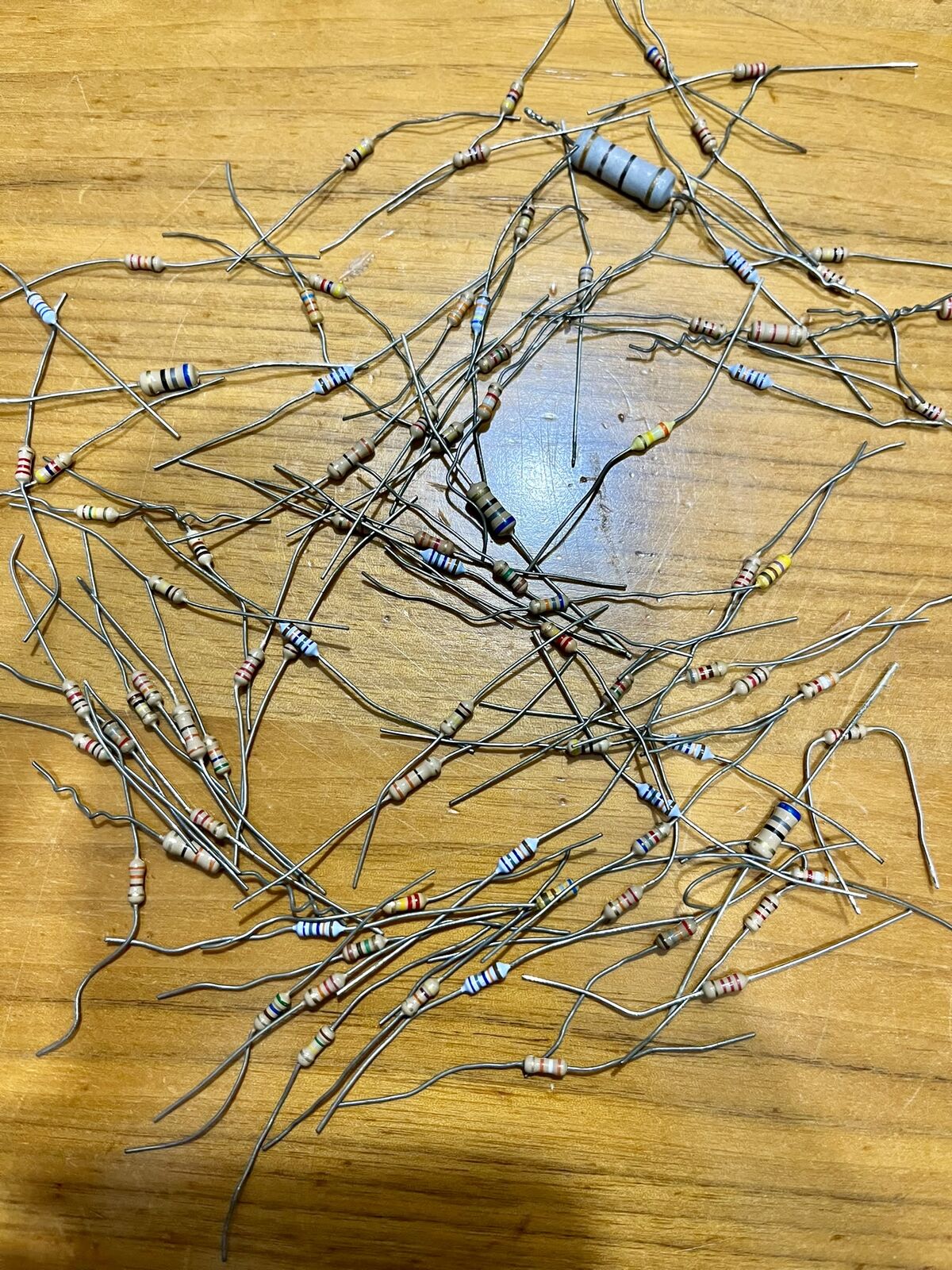
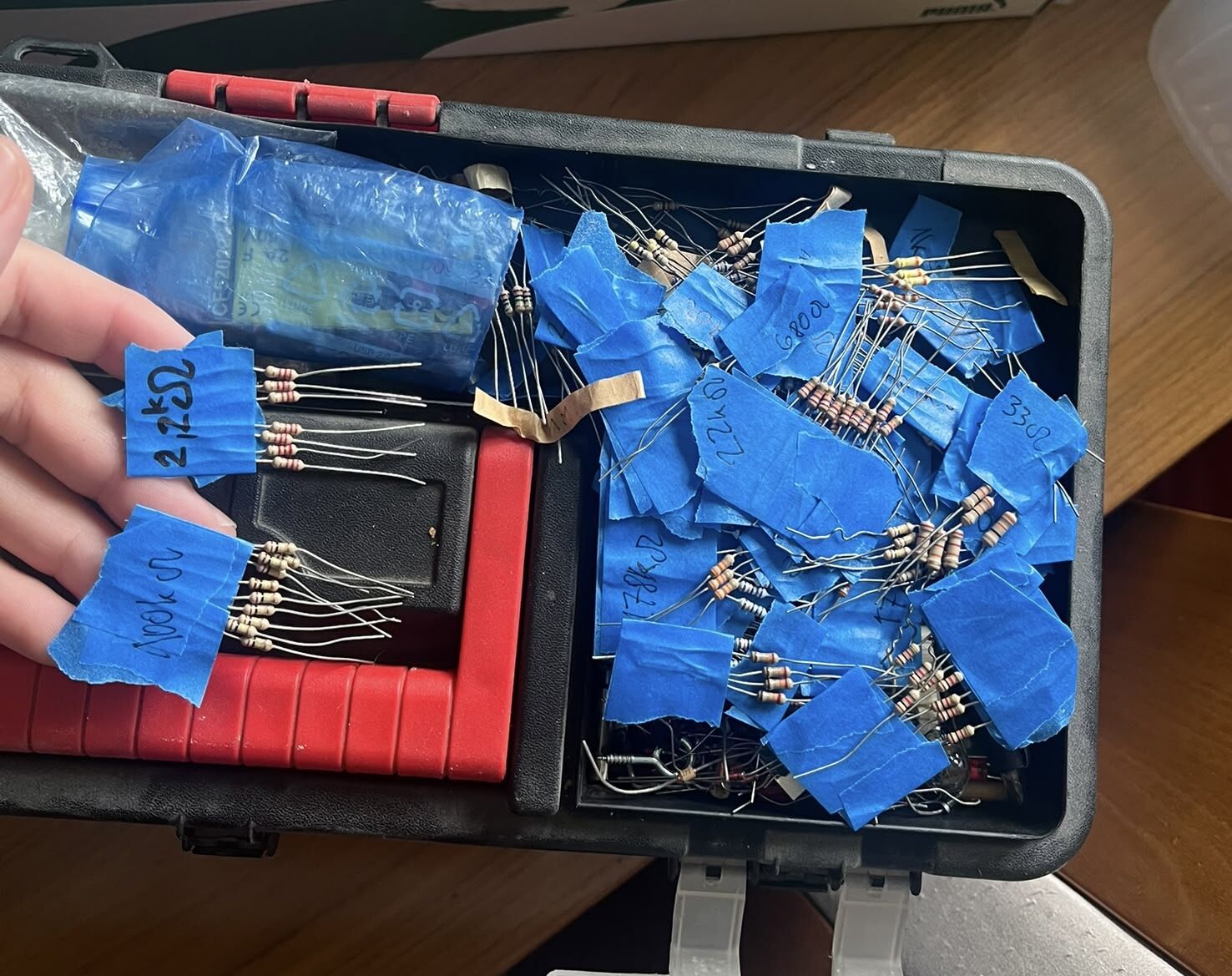
Soldering it for real
Claude drew me a plan for the soldered version, and I moved everything from the breadboard to a perfboard, the kind you solder parts onto.
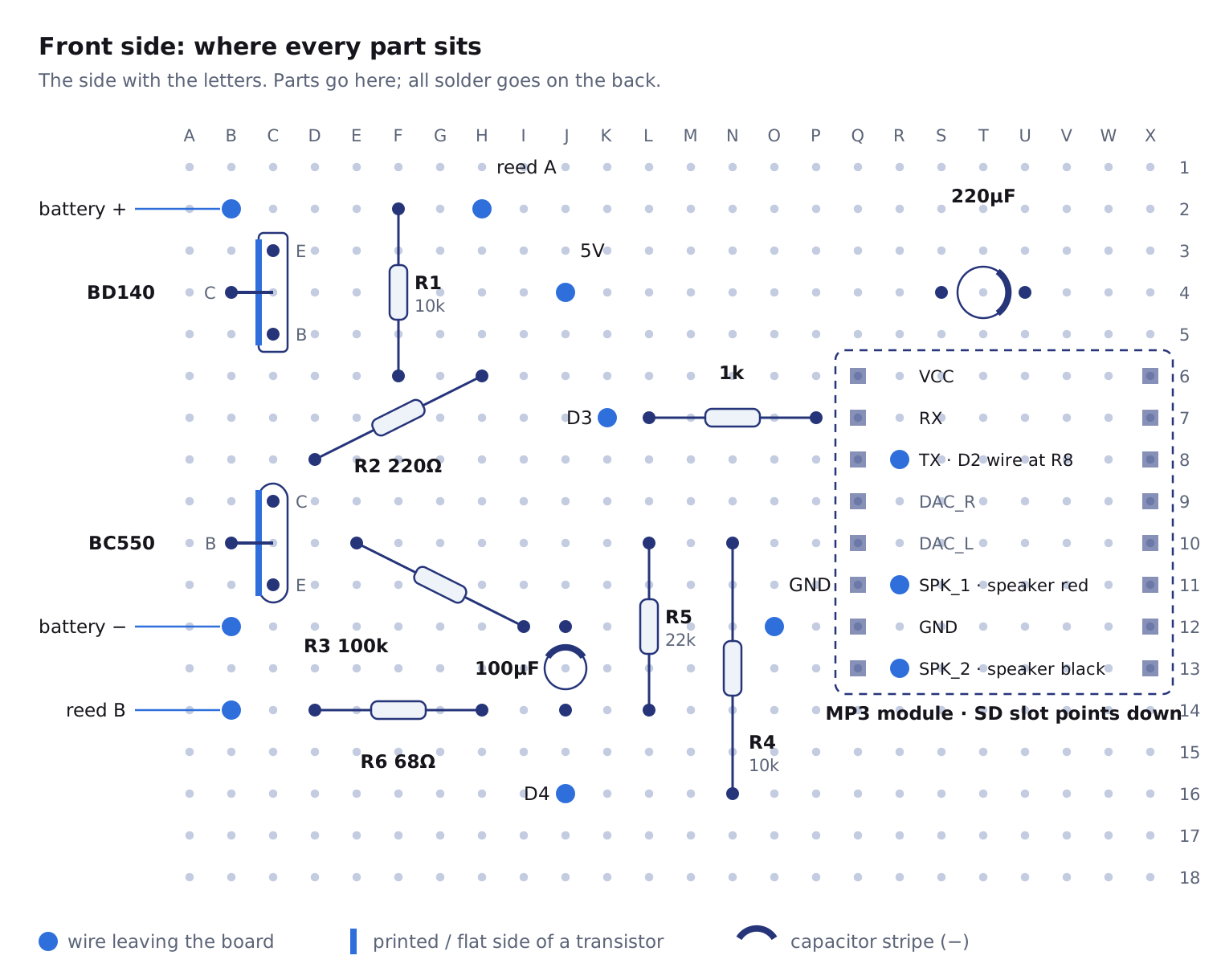
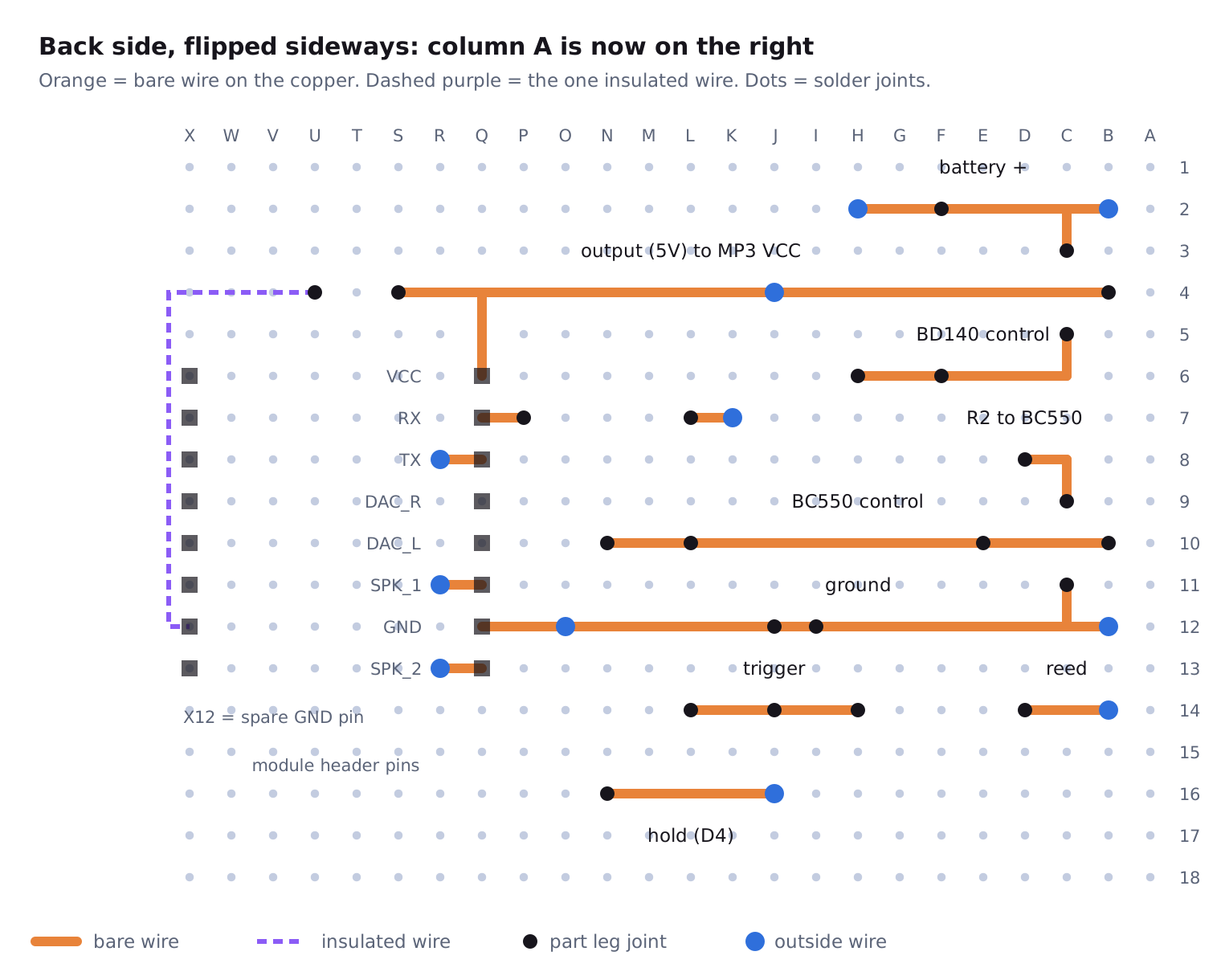
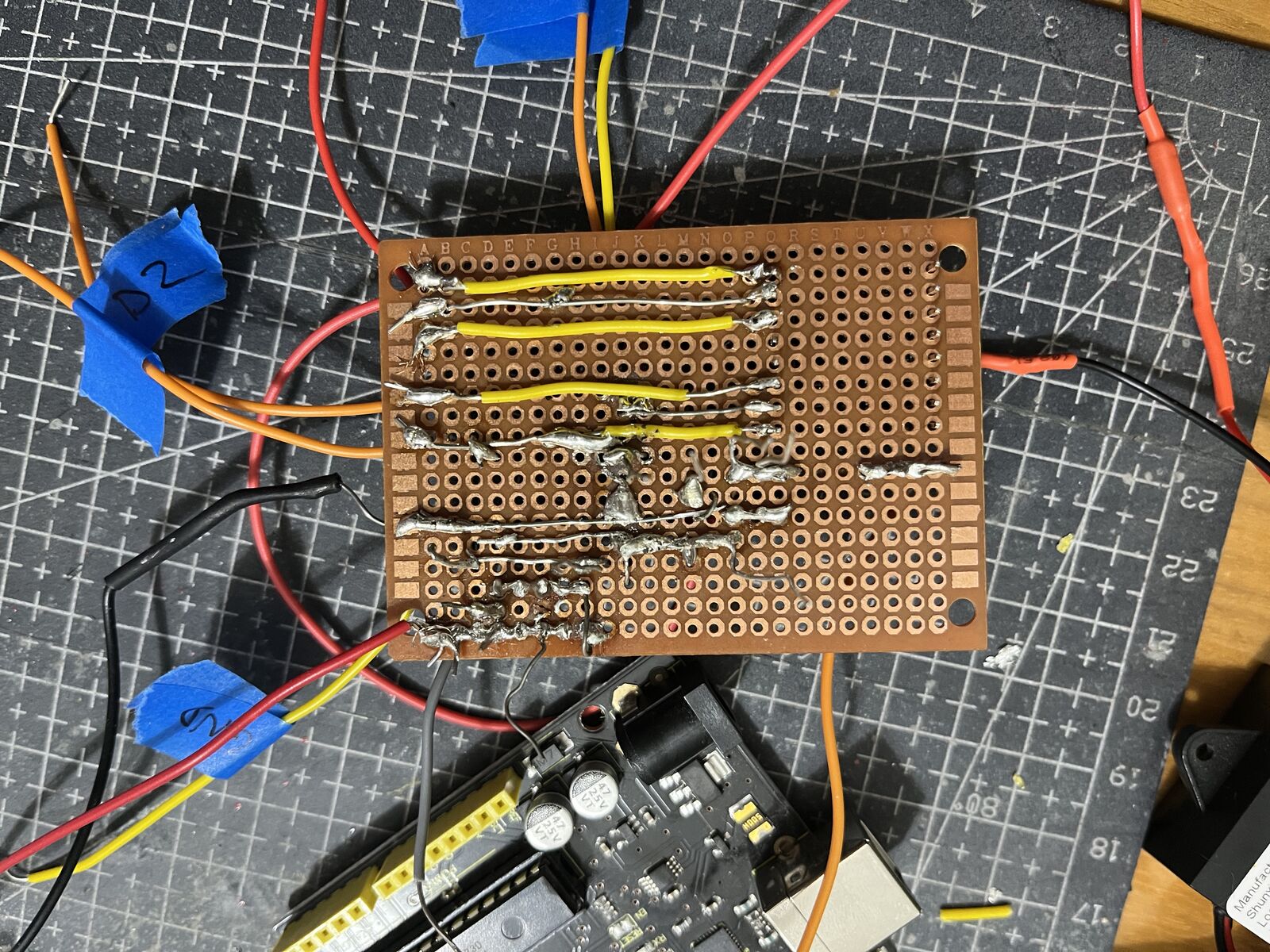
The board I bought was a super cheap one. The wiring looked fine, but some connections weren’t making proper contact, so I had to redo them. With a few tips from my boyfriend, who’s done this many times before, and a lot of multimeter testing, it finally worked. The parts I soldered myself worked, and I was very happy about that.
Between the cheap board and it being my first time, it's still a bit moody.
60% of the time, it works every time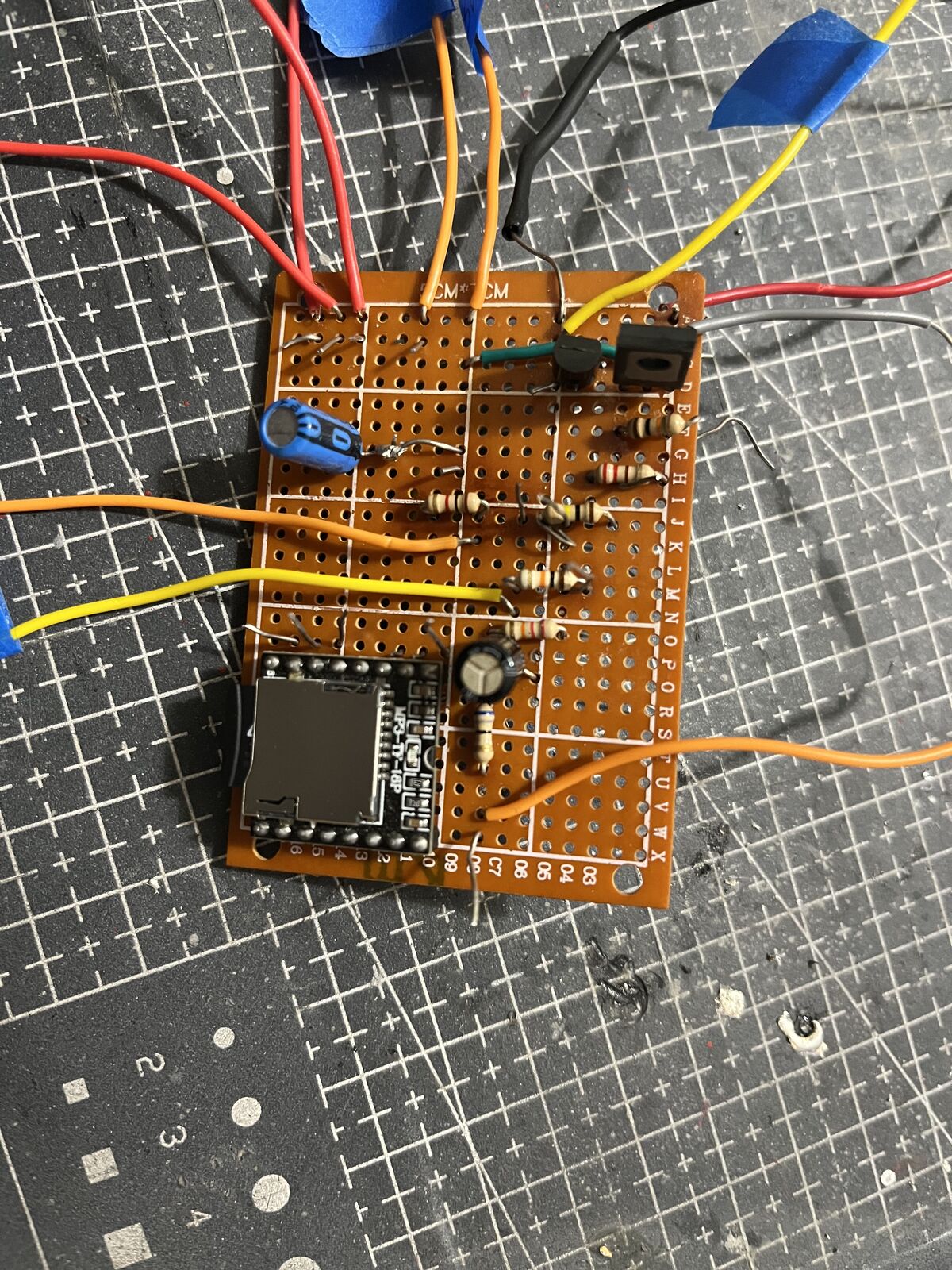
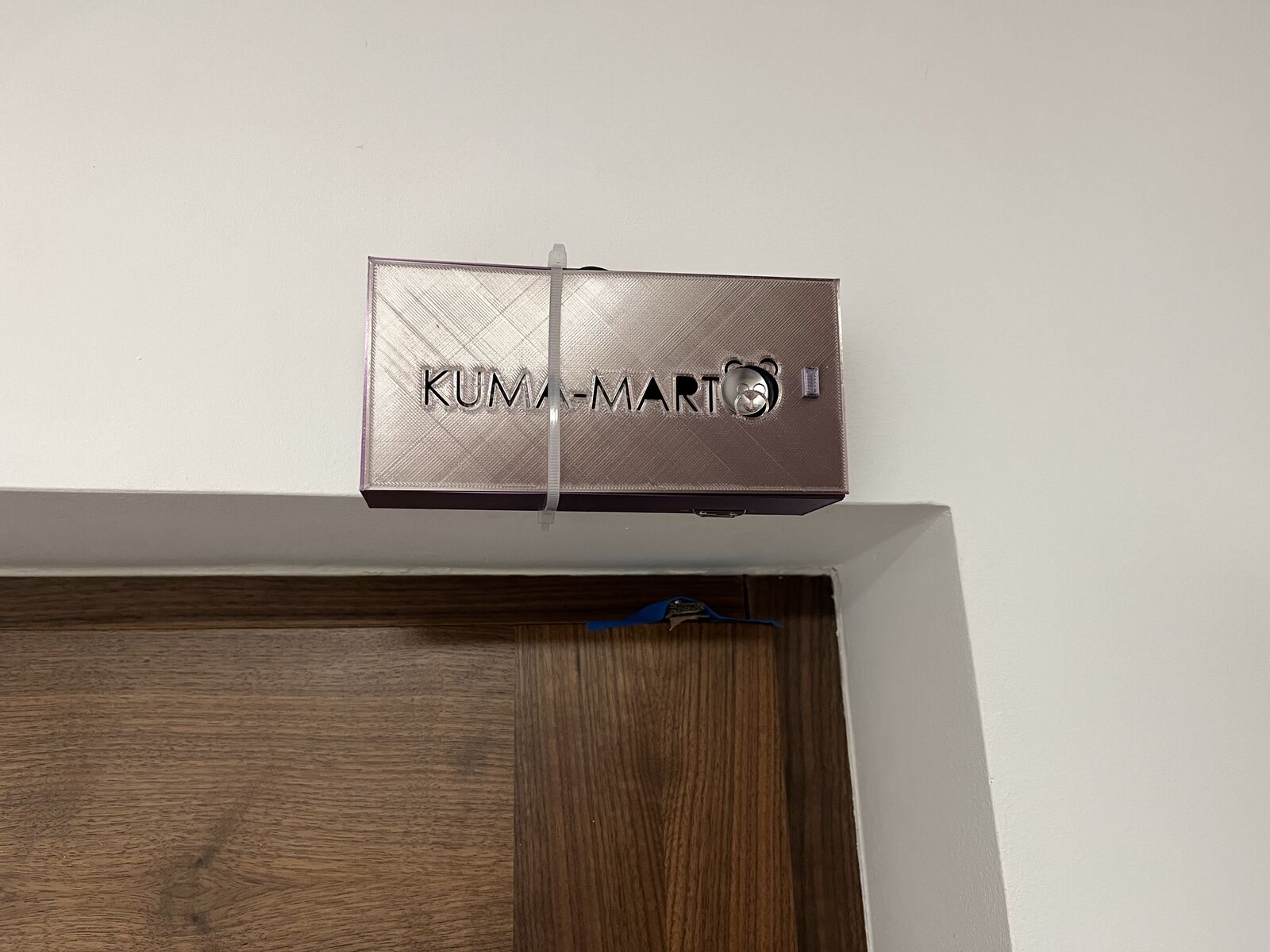
We 3D printed a new box for it, packed it in with the batteries and put it up above the door.
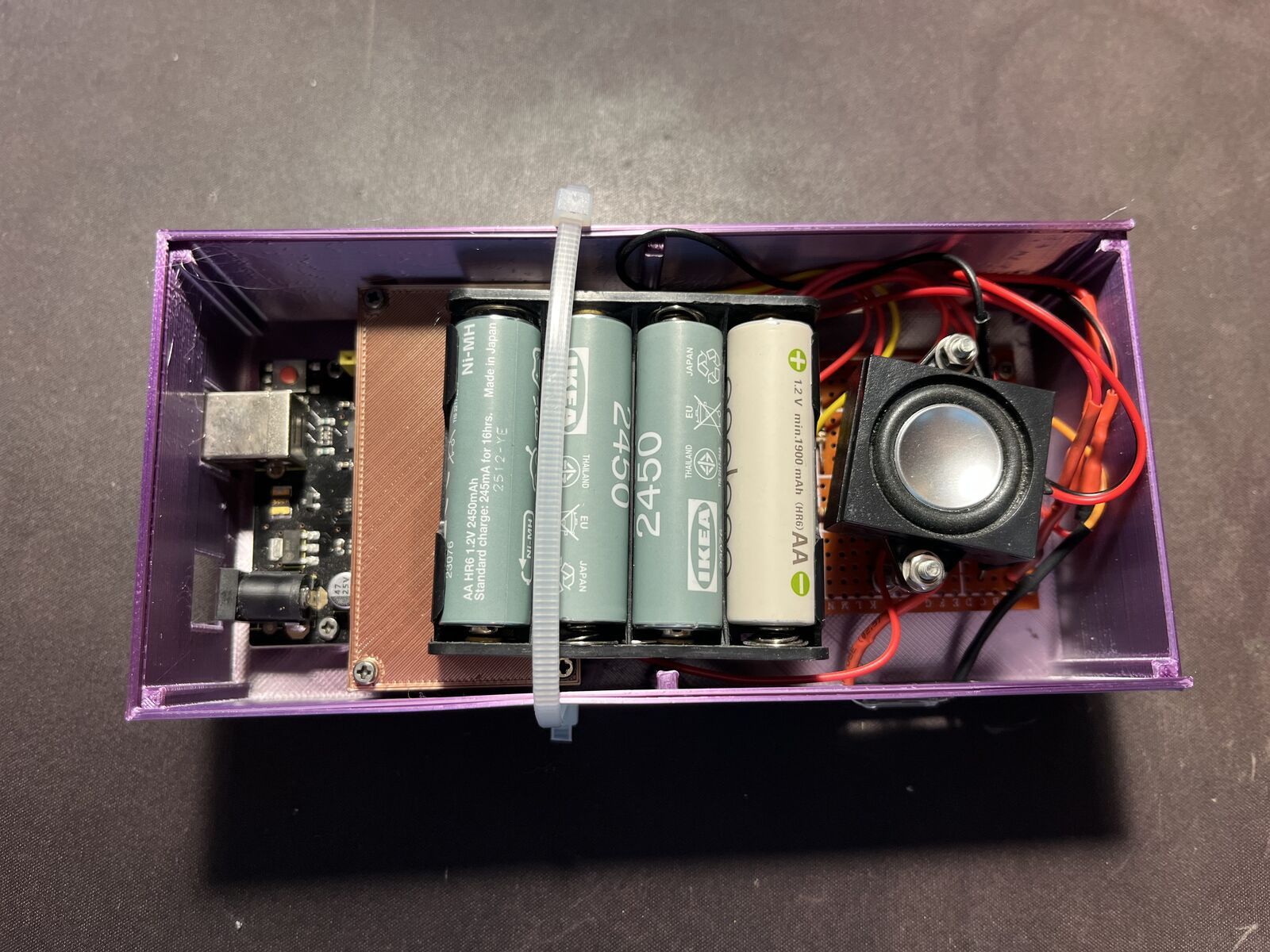
It works!!
The door opens, a second later the song plays, then it goes quiet and switches itself off.
What I took from it
- Hardware has no undo button. Check twice before you solder.
- Debugging a board is a lot like usability testing: change one thing, test, see what happened. That said, hunting for a bad solder joint made me very grateful my day job is digital.
- AI isn’t only good for code. Claude worked out the circuit and drew real plans I could solder from. That one impressed me.
My front door sounds like FamilyMart now. Sadly, it still doesn't sell melon pan.